

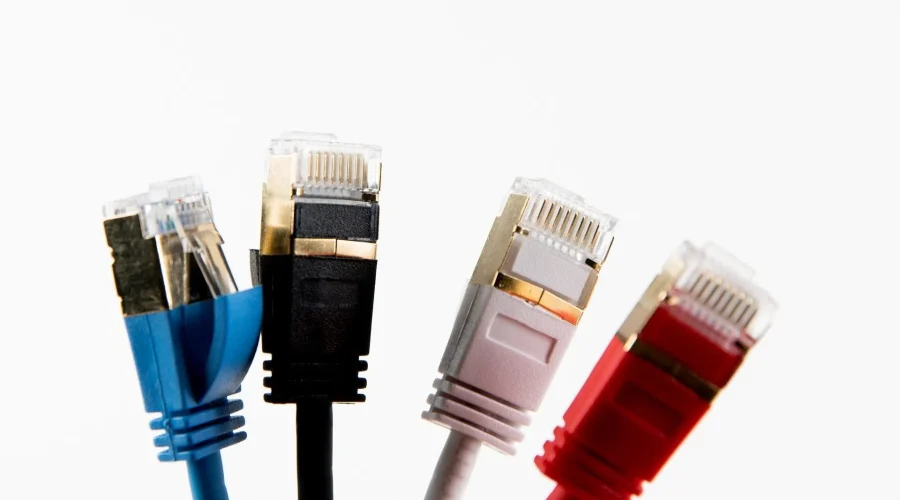
Why Do LAN Cables Have Twisted Pairs? Because Chaos Needs Order, Bru!
The Science Behind the Twists
Imagine you’re stuck in Joburg traffic on the N1, and taxis are weaving in and out, causing absolute havoc. That’s what electromagnetic interference (EMI) does to your network signals—total SHIT (Significant Havoc In Technology).
Twisting the wires together is like Metro cops suddenly showing up and forcing some order on the road. The twists cancel out interference, keeping your connection clean and stable, even if your neighbours have Wi-Fi routers that look like they belong in NASA.
Each pair in a LAN cable carries signals in opposite directions, and by twisting them at different rates, they cancel out the noise that would otherwise maak ‘n gemors of your data. No twists = more noise = your Teams call sounding like a dial-up modem from 1998.